

In the contemporary competitive environment, digital PR has become a necessity in establishing brand authority and enhancing meaningful visibility. However, most brands have done it with the same stale methods that produced results ten years ago, failing to use available resources effectively, thriving on bad reputation and creating no opportunities. Knowing the biggest pitfalls, and more importantly, how to avoid them, can radically increase the effectiveness of your campaign and save the reputation of your brand.
Absence of Strategic Planning and Goals
The root cause of errors that the brands commit is the inception of digital PR efforts without any plan or predetermined goals. Most organizations develop campaigns randomly and the postings are done at random without any insight of what they seek to accomplish, and the measurement of success. This ad hoc strategy waters down effectiveness and it is not possible to evaluate whether the efforts are indeed contributing to business outcomes.

Good Digital PR campaigns start with effective formulation of objectives. Are you creating brand awareness, developing thought leadership, generating web traffic or creating qualified leads? Every goal needs to be handled using a variety of tactics, messages, and measurement systems. In the absence of such clarity, even the campaigns implemented very well fail since they are pursuing the wrong metrics and reaching the wrong audience.
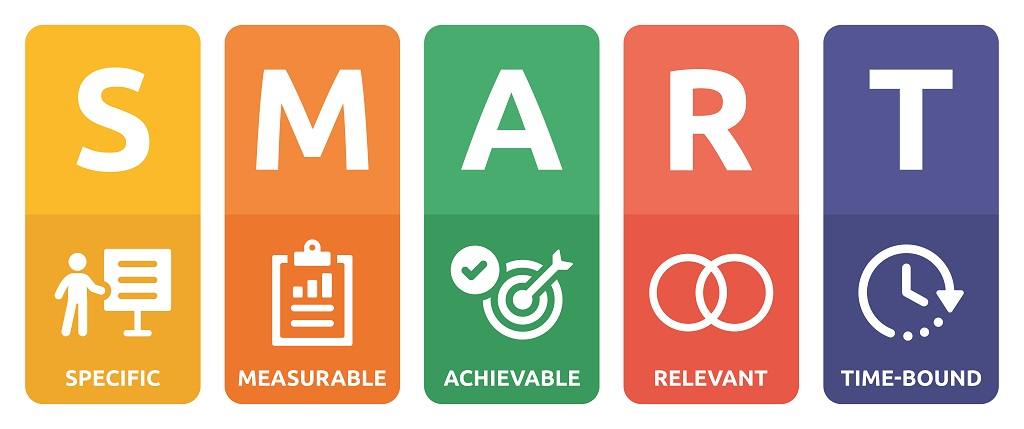
How to prevent it: Have SMART goals (Specific, Measurable, Achievable, Relevant, Time-bound) in place prior to launch. Establish a vision of success in your organization, then match your Digital PR strategy, content development and outreach activities to those goals. You need to have key performance indicators at the start of your campaign so you can determine the progress.
Disregarding Authenticity and Constructing Fake Campaigns
Loss of authenticity in favor of short-term visibility is one of the most harmful digital PR errors. Brands with counterfeiting user-generated content, false influencer associations, or artificial content that is passed off as organic interaction to get likes are liable of credibility destruction upon detection. Authenticity is a must in the age of consumers who are growing more skeptical.

The Fyre Festival catastrophe is, by far, the most notorious instance, as influencers promoted an event that was unable to fulfill its promises and led to a criminal charge of fraud and ruined careers. More recently brands have been busted featuring AI-generated imagery or paid placements that appear as organic reviews and have resulted in an immediate backlash on social media.
How to prevent it: Be honest about paid collaborations and influencer relationships. Make sure that you support your claims with actual data and that your brand can make real promises. Collaborate with those who truly share your principles, and be more interested in securing long-term relationships as opposed to a single promotion push.
Excessive Dependence on Volume and Content Saturation

There are brands that assume that overloading digital platforms with large volumes of content is going to ensure their exposure. This is a backfire solution- viewer exhaustion and human algorithmic punishment. Always more is less and in this case quality will always be better than quantity whereby content gets so redundant that it becomes background music instead of a subject to be dealt with.
Fitness app tried to take up search dominance with 2000 videos a week, daily inspirational memes as well as hundreds of micro-influencer posts. The result? The audience became frustrated, the participation of the influencers failed, and the brand turned into spam instead of authority.
How to prevent it: Quality-first, data-driven campaigns should be done in strategic waves. Produce material that is authentic to your viewers and does not just aim to increase the number of views and the algorithmic audience reach. Value contentful interaction more than vanity measures such as impressions or posts made.
Failure to Build Real Relationships and Personalizing Outreach
When it comes to generic, a one-size-fits-all outreach, very little media coverage or stakeholder engagement is likely to result. Mass pitches to journalists that do not report on their industry or do not tailor their message to one of the segments are promptly neglected or blacklisted by brands.
Effective digital PR has to be based on authentic connections with journalists, influencers, and other key stakeholders. Knowing the interests of every individual, his past coverage and the editorial tastes will increase the chances of meaningful coverage significantly.
Ways to prevent it: Research your story; make sure that your story fits their beat. Divide your audiences based on demographics, industry, and interests and craft a unique message to each segment. Form relationships with time, by doing valuable and approachable business consistently, and not only on transactional pitches.
Failing to Focus on Data-Driven Insights and Crisis Preparedness
Most of the brands consider PR work as a pure creative effort and do not focus on analytics and measurement. Also, the inability to create crisis management guidelines exposes organizations to vulnerability whenever issues arise.
How to prevent it: Measure meaningful metrics that are in line with business goals. Guide strategy using sentiment analysis, traffic attribution, and conversion data. Have a crisis communication team that follows definite procedures so that whenever there is a problem, the team is quick to react.
Conclusion
Effective digital PR presupposes strategic planning, genuine interaction, relationship building, fact-driven decision-making, and preparedness to face a crisis. These pitfalls can be avoided, which will allow brands to develop true authority, not only be credible but also be sustainable in their niche. The brands that are winning nowadays are not out chasing viral moments, but are building trust through strategic, authentic and measurement oriented campaigns.